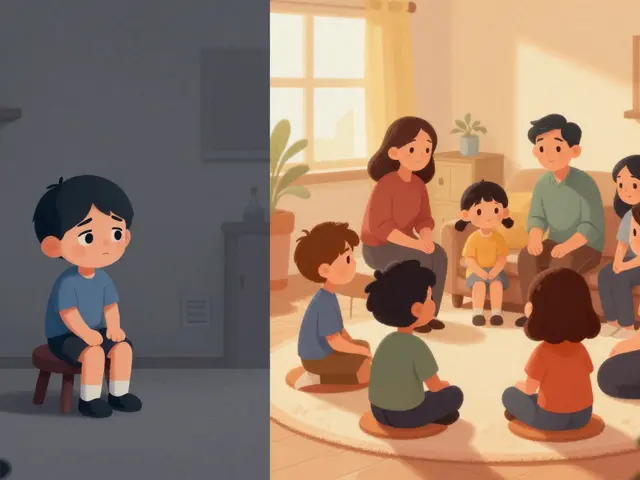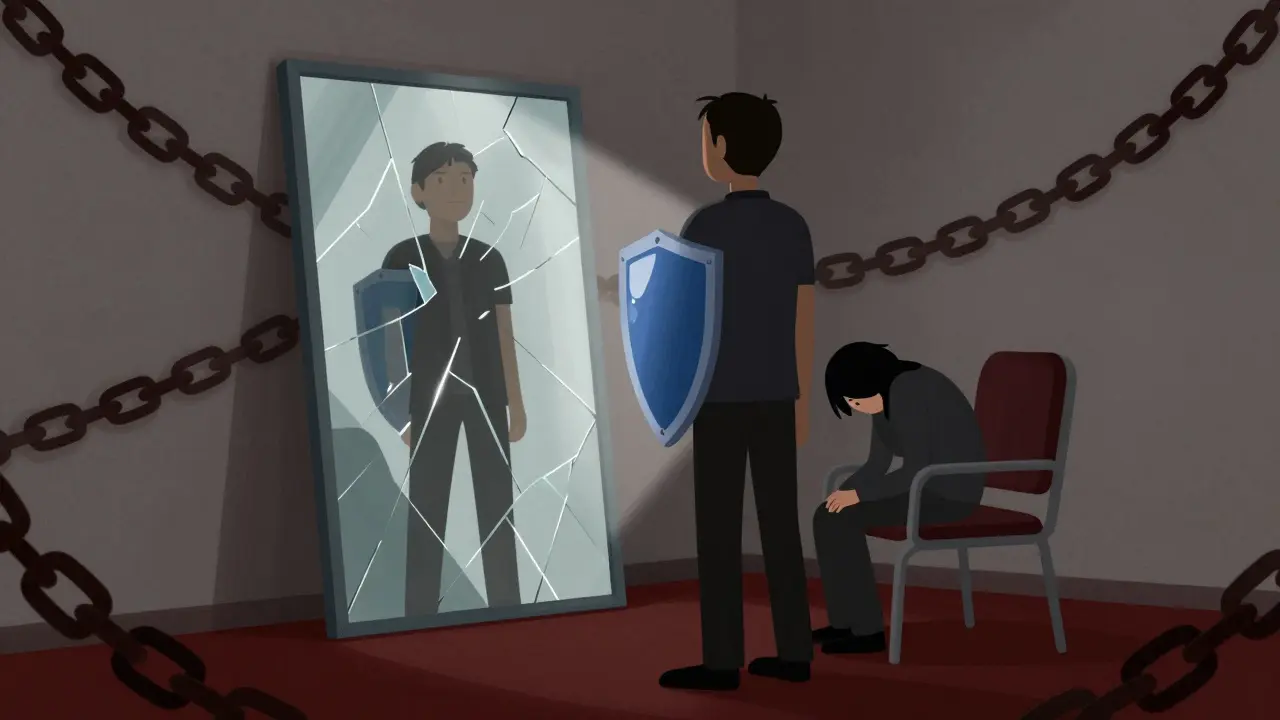
When someone suggests couples therapy after domestic violence, it sounds like a reasonable solution-let’s talk, heal, rebuild. But in reality, for many families, this advice can be deadly. In the Czech Republic, over 70% of domestic violence cases involve what experts call intimate terrorism: a systematic, long-term campaign of control, fear, and psychological domination. And in these cases, couples therapy isn’t healing-it’s a trap.
Why couples therapy can make things worse
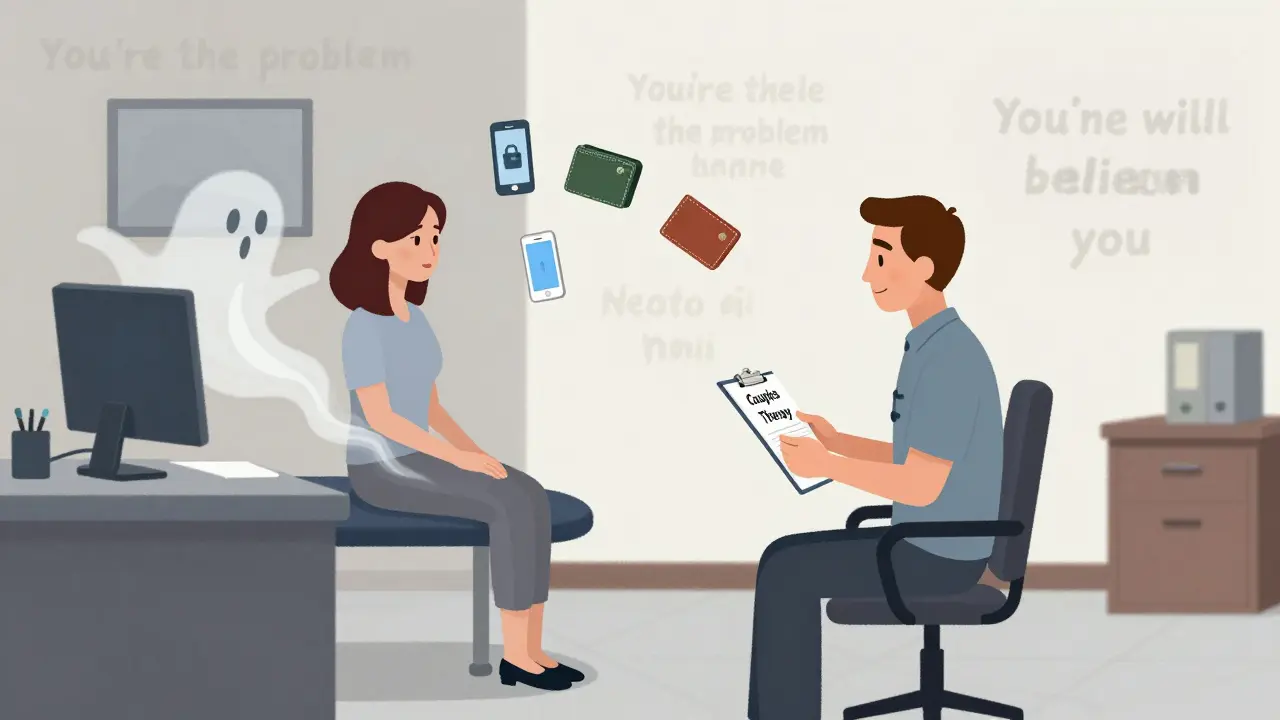
Couples therapy works when both partners are willing to take responsibility and communicate honestly. But in violent relationships, the power imbalance is extreme. The abuser doesn’t want to fix the relationship-they want to keep control. Therapy sessions become another stage for manipulation. Studies from Charles University and Masaryk University show that in 78% of cases where therapy started without the abuser first acknowledging their violence, the abuse escalated within six months. Think about it: if you’re being controlled, isolated, monitored, and threatened, how can you speak freely when your abuser is sitting right across from you? The therapist’s office becomes another room where the abuser can twist words, blame you, and make you doubt your own experience. Data from Sančedětem shows that 82% of women who entered couples therapy without first separating from their abuser reported increased violence within three months.What intimate terrorism really looks like
Not all domestic violence is the same. The Ministry of Labour and Social Affairs distinguishes between two types: situational violence and intimate terrorism. Situational violence-about 30% of cases-happens in moments of anger, often triggered by stress. It’s rare, reactive, and sometimes reversible. Intimate terrorism-70% of cases-is different. It’s planned, relentless, and designed to break your spirit. Signs of intimate terrorism:- You’re not allowed to talk to your family or friends (68% of cases)
- Your phone, emails, and social media are constantly monitored (57%)
- You have no access to money-even for food or medicine (72%)
- You’re isolated from your community, your hobbies, your identity (61%)
- You’re told you’re the problem, that no one else will believe you (92% of women in crisis shelters report this)
When therapy is dangerous-four red flags
According to the latest research from the Institute of Ethnology (2024), couples therapy is absolutely contraindicated if any of these four conditions are present:- The abuser denies the violence happened or minimizes it (78% of cases)
- There’s a history of physical violence that could cause serious injury (63%)
- There’s emotional manipulation, isolation, or control (85%)
- The victim shows symptoms of PTSD (47%)
The only safe path: separate, then heal
The Ministry of Labour and Social Affairs updated its guidelines in December 2023. They’re clear: couples therapy after domestic violence is only acceptable under four strict conditions:- The abuser has completed at least six months of individual therapy and shows consistent change
- They’ve taken full responsibility for their actions-no blaming, no excuses
- The victim has given free, uncoerced consent
- A safety plan, approved by a crisis center, is in place
What actually helps: the right kind of support
If you’re a victim of domestic violence:- Start with an intervention center like Spondea or Sančedětem-they offer free, confidential support
- Get individual therapy focused on trauma recovery
- Build a safety plan with professionals-where will you go? Who can you call? What documents do you need?
- Only consider couples therapy after six months of individual work with the abuser-and only if they’ve shown real, lasting change
- Stop blaming your partner. Stop blaming stress, alcohol, or your childhood
- Find a program for perpetrators-ATV in Olomouc, Spondea in Brno, or Sančedětem in Prague
- Commit to six months of individual therapy before even thinking about reconciliation
- Understand: healing isn’t about getting your partner back. It’s about becoming someone who doesn’t hurt others
Why ‘we can fix this’ is a lie
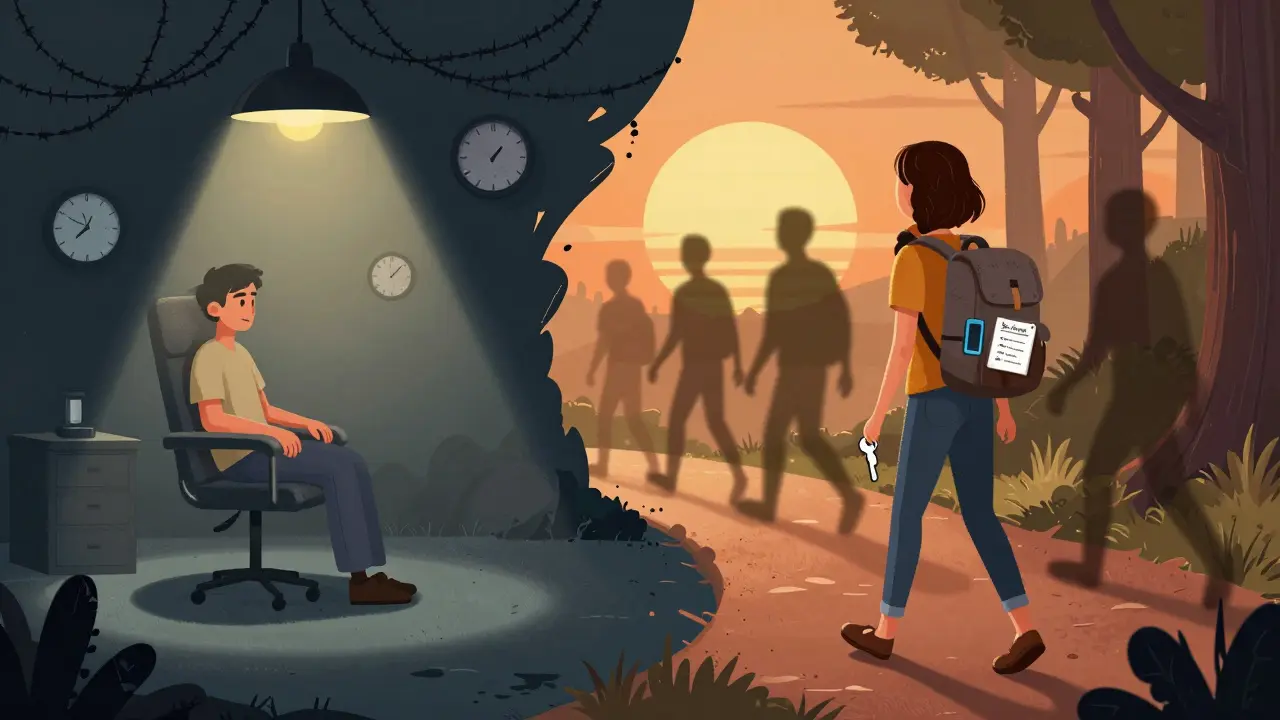
The biggest myth is that love can overcome abuse. That if you just talk more, forgive more, try harder, everything will be okay. But abuse isn’t a misunderstanding. It’s a choice. And that choice is about power, not love. Research from the book Násilí je možné zastavit shows that victims who entered couples therapy without first healing their trauma were 3.2 times more likely to develop chronic PTSD two years later. Healing starts with safety-not with shared sessions.What to do if you’re unsure
If you’re wondering whether couples therapy is right for you, ask yourself:- Do I feel safe speaking openly with my partner in this room?
- Has my partner ever admitted their violence was wrong?
- Do I fear what will happen if I say the wrong thing?
- Have I been isolated from people who care about me?
- Have I been threatened, controlled, or made to feel worthless?
There’s no shame in walking away. There’s no weakness in choosing safety. And there’s no healing without it.