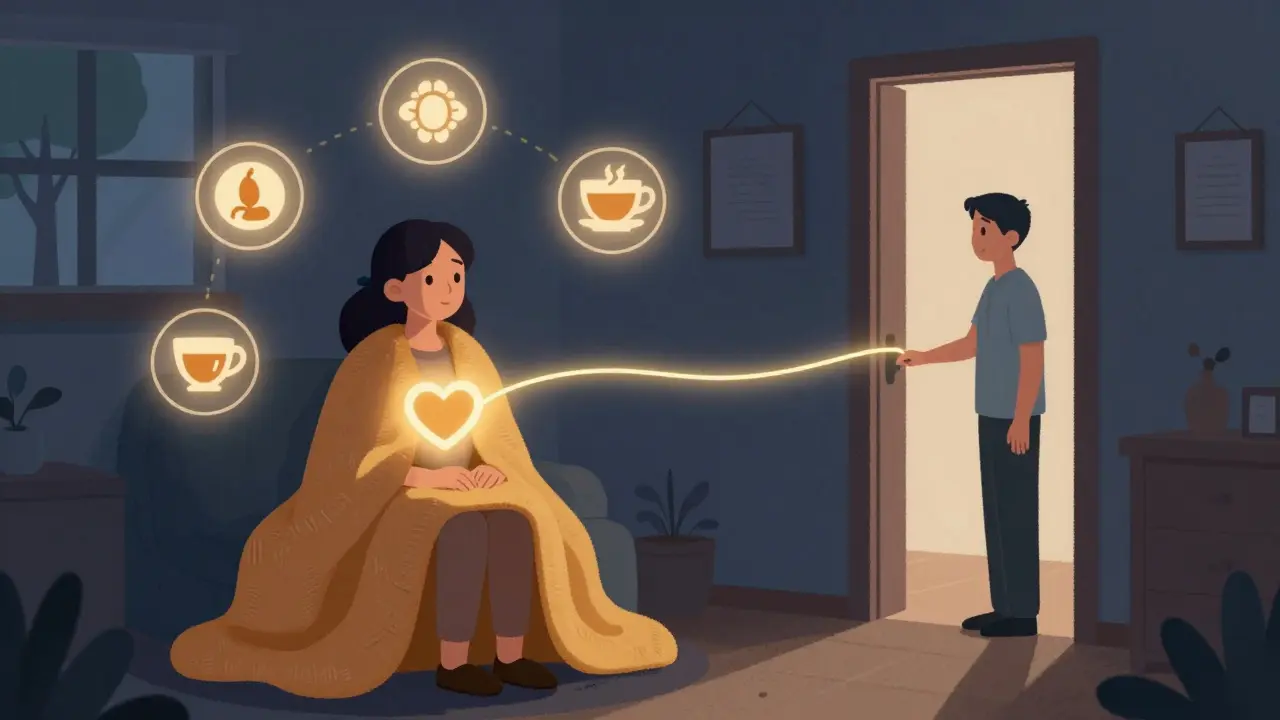
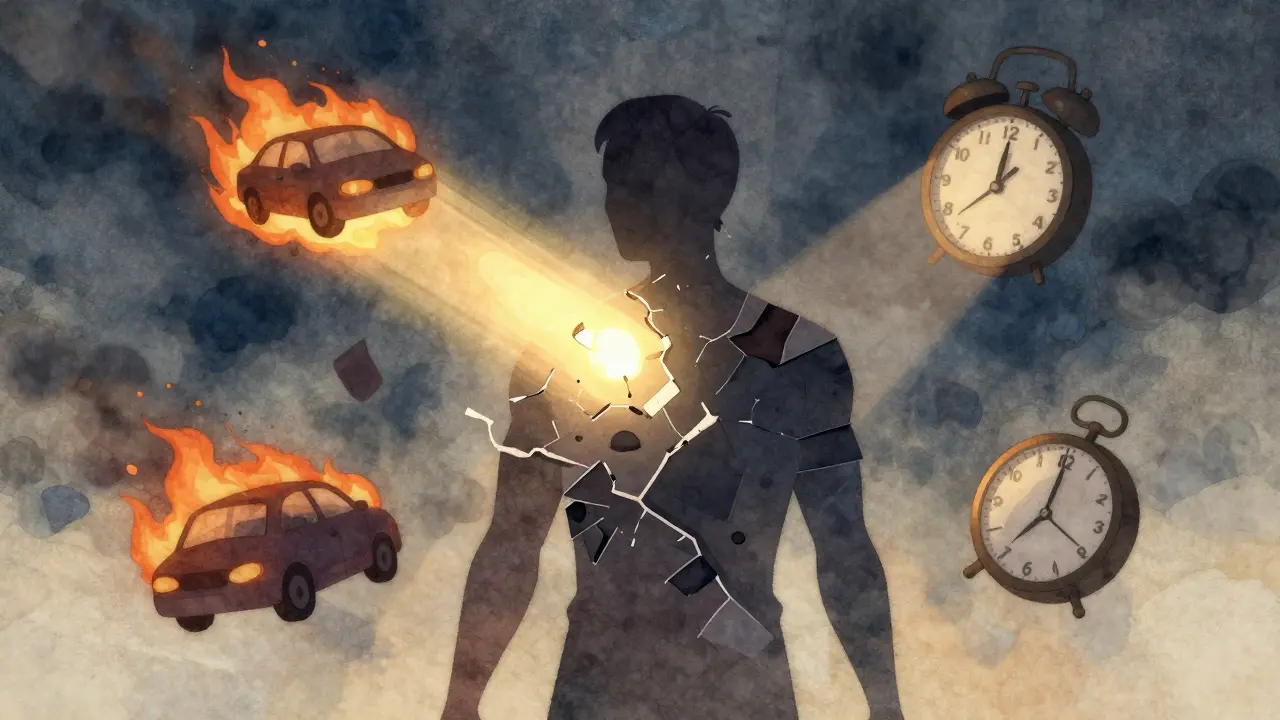
PTSD – úvod do posttraumatické stresové poruchy
When talking about PTSD, posttraumatická stresová porucha je reakce na extrémní události, která se projevuje opakovanými vzpomínkami, vyhýbáním se spouštěčům a zvýšenou úzkostí. Also known as post‑trauma stress syndrome, it can destabilize everyday life and requires professional support.
From a clinical point of view, komplexní PTSD, dlouhodobý a opakovaný traumatický vývoj často spojený s porušením osobní identity a mezilidských vztahů encompasses the simpler form but adds layers of chronic dysregulation. The central topic PTSD therefore includes both acute and complex variants, each demanding specific therapeutic phases. If you’re wondering whether your symptoms fit the complex pattern, look for persistent shame, emotional numbness, and difficulties in relationships.
One of the most effective tools for both forms is EMDR, eye‑movement desensitization and reprocessing, metoda, která pomáhá „přepisovat“ traumatické vzpomínky pomocí bilateralní stimulace. EMDR requires a trained therapist and a safe therapeutic setting. It works by linking the traumatic memory to new, neutral information, which can reduce intrusive thoughts. Studies show that EMDR often shortens treatment time compared with traditional talk therapy, making it a popular choice for many clinicians.
In practice, PTSD rarely appears alone. komorbidity PTSD, společná výskyt depresí, úzkostných poruch nebo závislostí u lidí s traumatickým pozadím influences treatment planning because each additional disorder can amplify symptoms. For example, a person battling both PTSD and substance abuse may need integrated care that addresses cravings while processing trauma. Recognizing these overlap patterns early helps therapists choose combined approaches such as CBT for anxiety plus EMDR for trauma.
Modern kliniky čím dál více využívají trauma‑informed přístup, filozofii, která klade důraz na bezpečí, důvěru a volbu pacienta při práci s traumatickými zkušenostmi. This approach requires every team member to be aware of trauma’s impact, to avoid re‑traumatization, and to create environments where patients feel respected. It influences everything from intake forms to the physical layout of therapy rooms. When trauma‑informed principles are applied, patients often report higher engagement and better outcomes.
Co najdete v našem výběru článků
Below you’ll discover a curated collection of practical guides, deep dives into specific therapies, and tips for handling comorbid conditions. Whether you’re dealing with a classic PTSD case, the more intricate C‑PTSD, or looking for the right therapist, the articles ahead break down the topics step by step. Let’s explore how each method works, what to expect from therapy, and how you can start the healing journey right now.