Ukončení terapie: Jak se správně rozloučit s terapeutem
Ukončení terapie není konec, ale důstojný přechod. Nauč se, jak se správně rozloučit s terapeutem, proč to dělat, kdy a jak - s reálnými zkušenostmi z české praxe.
číst víceWhen you start psychoterapie, you don’t think about saying goodbye. But rozloučení s terapeutem, přirozený a potřebný krok v terapeutickém procesu, který může posílit všechno, co jste dosáhli. Also known as závěr terapie, it’s not a failure — it’s the moment when you no longer need someone to walk beside you because you’ve learned to walk on your own. Many people feel guilty about ending therapy, as if they’re quitting or letting someone down. But the truth? A good terapeutický vztah doesn’t end when you stop coming — it ends when you’re ready to live without it.
There’s no rulebook for when it’s time to say goodbye. Sometimes it’s clear: you sleep better, you don’t panic before meetings, you finally say no without guilt. Other times, it’s quieter — you just notice you haven’t cried in weeks, or you stopped replaying the same argument in your head. That’s not magic. That’s work. And it’s worth celebrating. You don’t need a ceremony, but you do need to acknowledge it. A final session isn’t about packing up boxes — it’s about naming what changed, what stayed, and what you’ll carry forward.
Some people leave because they feel better. Others leave because they’re scared — scared of how much they’ve grown, scared of being alone with their own strength. And that’s okay. The best terapeuta won’t push you to stay, but they will help you face that fear. They’ll ask: What do you still need to learn on your own? What tools do you already have? What will you do when the old patterns come back? These aren’t test questions. They’re invitations to trust yourself.
And if you’re leaving because the terapeutický vztah didn’t fit? That’s also valid. Not every connection works. It doesn’t mean you failed. It means you were brave enough to try — and now you know what you need. You can leave with dignity, without blame, without apology. Just say: "This helped me, but I need something different now." That’s not rude. That’s mature.
What you’ll find below are real stories and practical guides about how people ended their therapy — not with a bang, but with quiet strength. You’ll learn how to plan the final session, how to handle the emptiness afterward, and why letting go is often the deepest form of healing. These aren’t theoretical tips. They’re lived experiences from people who walked out of therapy not because they were fixed, but because they finally understood: they were never broken to begin with.
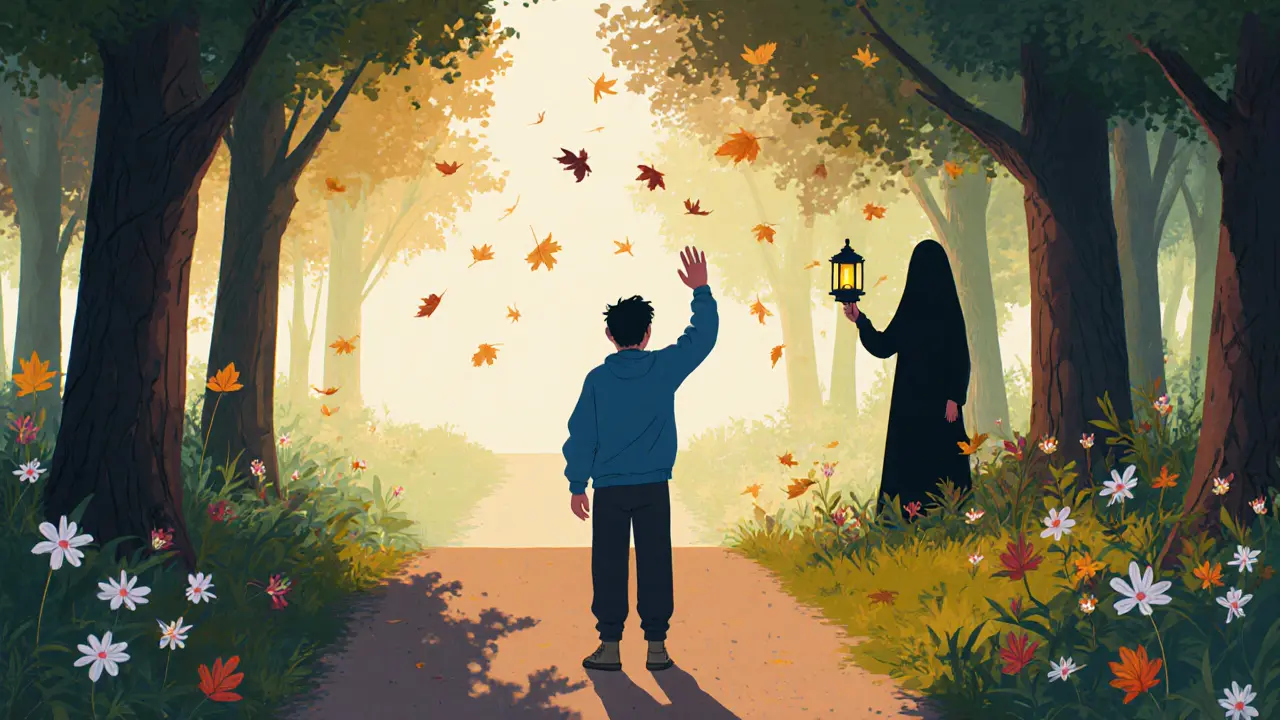
Ukončení terapie není konec, ale důstojný přechod. Nauč se, jak se správně rozloučit s terapeutem, proč to dělat, kdy a jak - s reálnými zkušenostmi z české praxe.
číst více