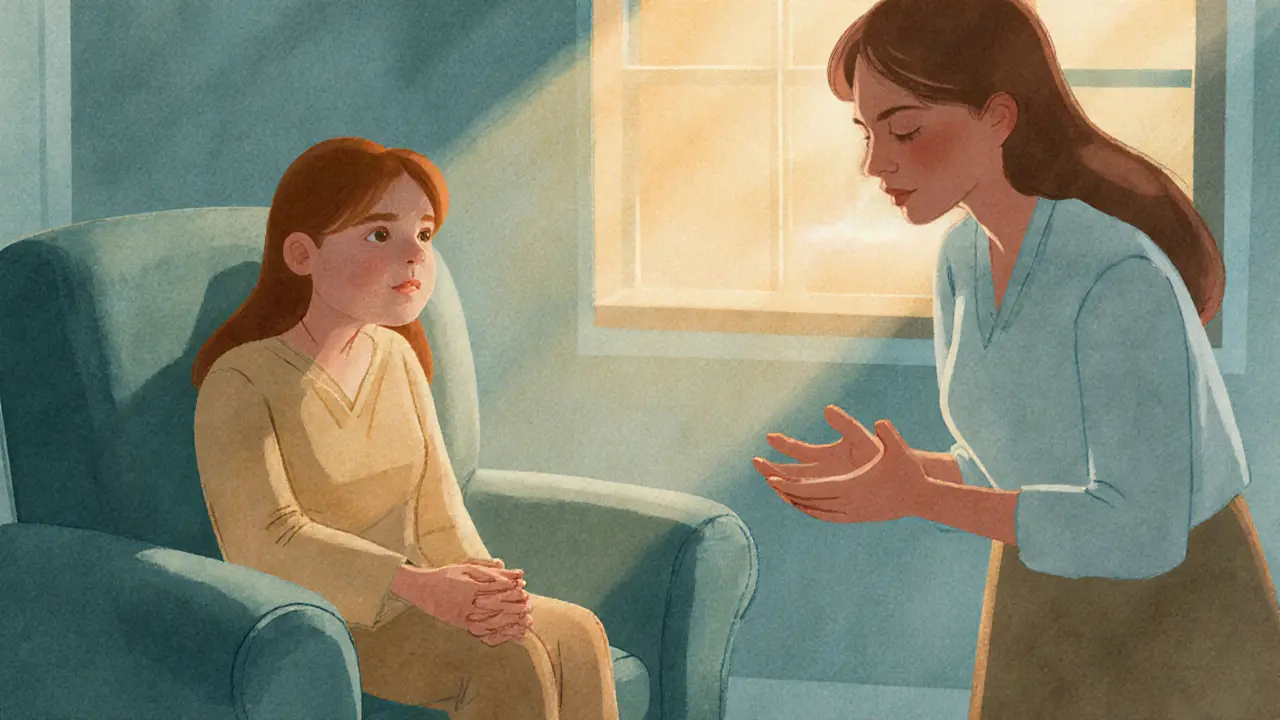
Anamnéza rozhovor: Co se skrývá za prvním setkáním s terapeutem
When you start psychoterapie, the first thing you’ll do is an anamnéza rozhovor, formální, ale přirozená konverzace, která slouží k shromáždění klíčových informací o vašem životě, zkušenostech a současných potížích. Also known as počáteční rozhovor, it’s not a test, an interrogation, or a medical checklist—it’s the first step toward being truly heard. Many people think it’s just about filling out forms, but it’s much more than that. This is where your story begins to take shape—not in clinical terms, but in your own words.
The terapeutický proces, systém, ve kterém se postupně buduje důvěra a porozumění mezi klientem a terapeutem, starts right here. The první sezení, první skutečný kontakt, kde se rozhoduje, zda se obě strany cítí v bezpečí a srozumitelně is where you’ll talk about what brought you here: sleepless nights, constant anxiety, family conflicts, or just that deep feeling of being stuck. Your terapeut doesn’t need to fix you on the spot—they need to understand how your life works, what hurts, and what you’ve tried so far. That’s why they ask about your childhood, relationships, work, health, and even small daily habits. It’s not random. Every detail matters.
You might feel awkward at first. Like you’re being judged. But a good terapeut doesn’t judge—they listen. And they listen differently than your friends or family. They notice what you don’t say, how you pause, what you avoid. They’re not looking for perfect answers. They’re looking for patterns. For example, if you mention you’ve felt this way since your teens, and you’ve changed jobs five times since then, that’s not just background—it’s a clue. That’s how shromažďování informací, systematický, ale lidský způsob, jak sestavit celkový obraz vašeho duševního zdraví becomes the foundation for everything that follows.
This isn’t about history for history’s sake. It’s about connection. The way you talk about your mother, your job, your last breakup—it all reveals how your mind copes. And once the terapeut understands that, they can choose the right path for you. Maybe it’s trauma-focused work, like senzomotorická psychoterapie. Maybe it’s learning to reframe thoughts with kognitivní restrukturalizace. Or maybe it’s finding your voice in skupinová terapie. But none of that happens without this first conversation.
And if you feel like you’re not being understood? That’s okay. The anamnéza rozhovor isn’t just for them—it’s for you too. It’s your chance to see if this person gets you. If they rush you, interrupt, or sound bored? That’s information. You don’t have to stay. The right terapeut doesn’t just ask questions—they make you feel like your story matters. And that’s the real start of healing.
Below, you’ll find real stories and practical insights from people who’ve been through this. From how to prepare for your first talk, to what to do if you’re scared to open up, to why some people change terapeutas after this very first meeting. These aren’t theories. These are experiences. And they might just help you feel less alone.