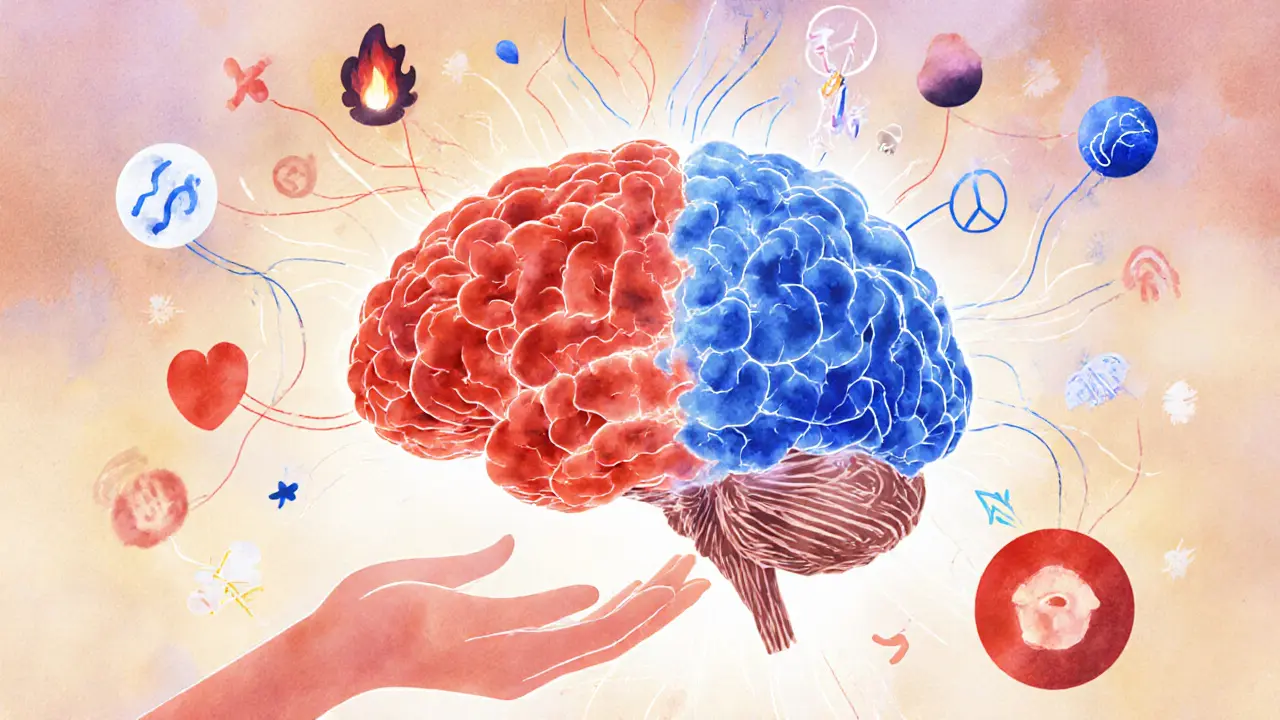
Terapeutická změna: Jak se skutečně změníte v psychoterapii
When you hear terapeutická změna, proces, kdy se vaše vnitřní způsoby myšlení, pocity a chování přirozeně přestavují díky bezpečnému vztahu s terapeutem. Also known as vnitřní přeměna, it is not about fixing what’s broken, but about uncovering what was always there, just buried under stress, fear, or old habits. This isn’t magic. It doesn’t happen because someone told you to be positive. It happens because for the first time, you’re heard without judgment, seen without labels, and held while you figure things out.
True terapeutický vztah, základní podmínka každé účinné psychoterapie, kde klient pocítí bezpečí, důvěru a přijetí. Also known as terapeutická spojenost, it is the only tool that makes real change possible. Without it, even the best techniques fail. With it, even the deepest wounds begin to heal. This is why some people feel better after just a few sessions, while others take months — it’s not about the method, it’s about the connection. When you finally feel safe enough to be vulnerable, your brain stops defending itself and starts reorganizing.
And that’s where změna myšlenek, schopnost přehodnotit automatické negativní přesvědčení, která vás drží v kruzích úzkosti, sebeviny nebo izolace. Also known as kognitivní přestavba, it becomes possible only after trust is built. You don’t suddenly stop thinking "I’m not good enough" because your therapist said so. You stop thinking it when you realize, through repeated experience, that someone else sees you differently — and that their view is real. That’s when your brain starts believing it too.
You’ll find posts here that show exactly how this works in practice: from how terapeutická změna happens in just 8 sessions of solution-focused therapy, to why group therapy helps people with addiction rebuild their identity, to how trauma is healed not by talking about it, but by listening to what your body remembers. Some posts explain why changing your therapist is not a failure — it’s often the most important step in your change. Others show how mindfulness for autism isn’t about sitting still, but about adapting to how your nervous system actually works.
This isn’t about theory. It’s about what actually shifts when you show up, week after week, and let someone walk beside you while you untangle what’s been weighing you down. You don’t need to be broken to need this. You just need to be tired of carrying it alone.