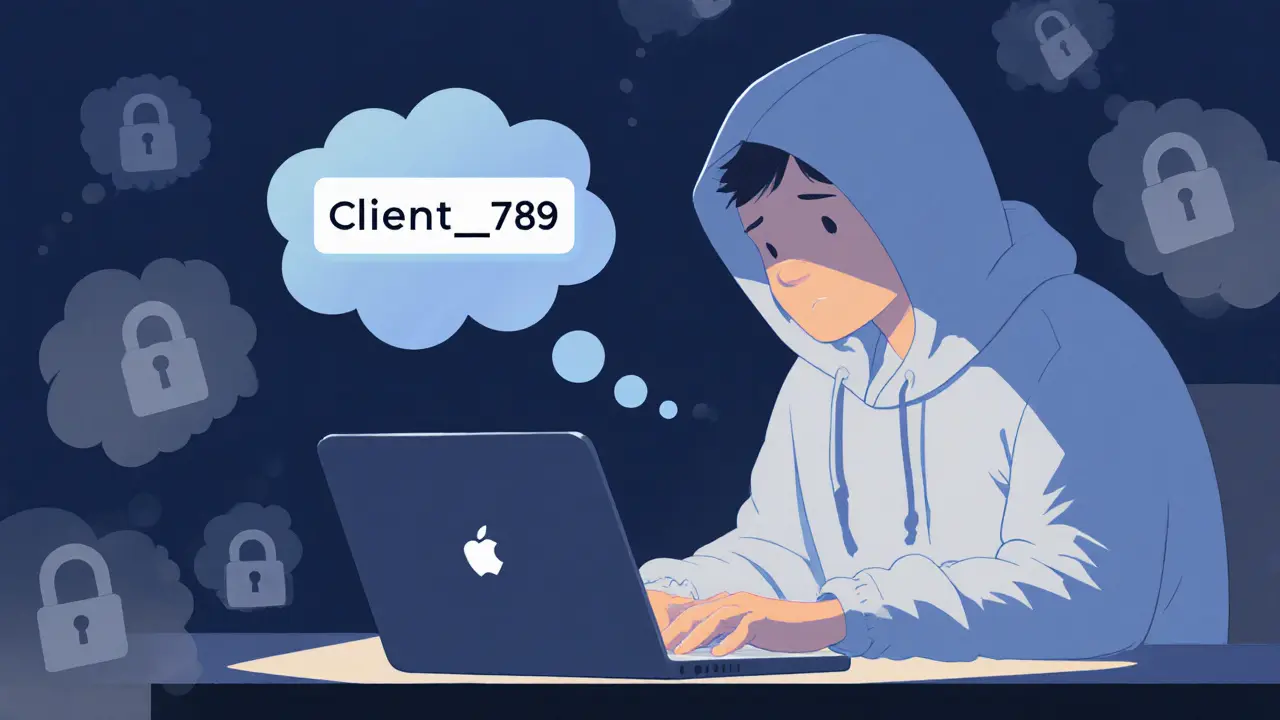
Anonymní terapie: Kdy a proč se léčit bez odhalování identity
When you seek help for your mental health, you don’t always want to be known. anonymní terapie, je forma psychoterapie, kde vaše identita zůstává skrytá, ale terapeutický proces zůstává plně účinný. Also known as terapie bez osobních údajů, it allows you to explore deep emotions, traumas, or fears without the pressure of being recognized in your community, workplace, or even among friends. This isn’t about hiding from your problems—it’s about creating space where you can finally speak freely.
Many people avoid therapy because they fear judgment. Maybe you’re a teacher, a manager, or someone whose family expects you to be strong. Maybe you’ve been through something so painful that saying it out loud feels like risking everything. Anonymní terapie doesn’t erase your pain—it removes the fear that comes with being seen. It works whether you’re using online platforms, phone sessions, or even written correspondence. The key is not whether your face is known, but whether your voice is heard. Studies show that when people feel safe from exposure, they open up faster and stay in therapy longer. This is especially true for those dealing with stigma around depression, addiction, or trauma.
Related to this are soukromí v terapii, základní etický princip, který zaručuje, že vaše informace nebudou sdíleny s nikým bez vašeho souhlasu, and tajemství terapeuta, právní i morální závazek, který brání terapeutovi v odhalení vašich osobních údajů, i kdybyste se rozhodli přestat s terapií. These aren’t just rules—they’re the foundation of trust. In Domov duševní podpory, we don’t store names or contact details unless you choose to. We collect only anonymous usage data to improve our services, in full compliance with GDPR. You don’t need to give your real name to start healing.
Some think anonymity means less effective therapy. It doesn’t. You still build a real relationship with your therapist. You still do the exercises, write the journals, face your fears. The only difference? No one else knows you’re there. That’s enough to break the cycle of silence. If you’ve ever held back because you were afraid of being recognized, this might be the path you’ve been waiting for.
In the posts below, you’ll find real stories and practical guides about how therapy works when identity isn’t the focus. From online sessions that protect your privacy, to techniques for managing anxiety without revealing who you are, to how therapists maintain confidentiality without compromising care—you’ll see that healing doesn’t require a name. It only requires courage. And sometimes, that courage starts with staying anonymous.